Aswan
Egypt's tranquil southern city on the Nile — Nubian culture, the High Dam and the island temple of Philae.
Overview
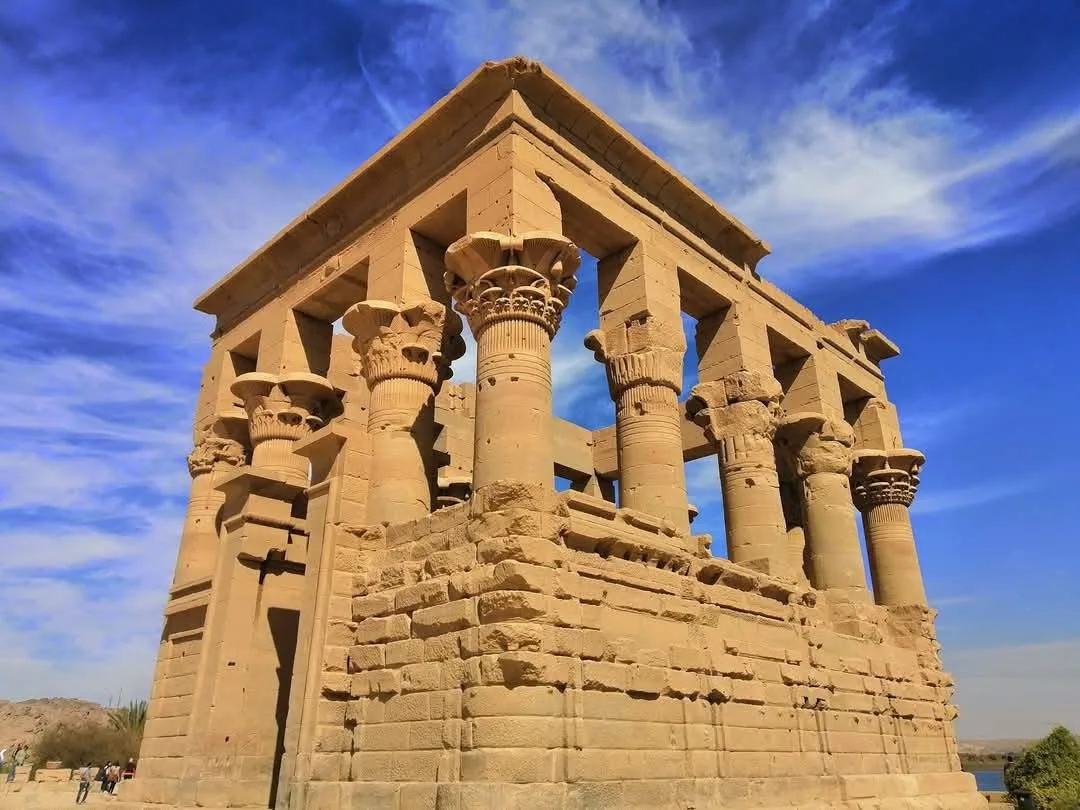
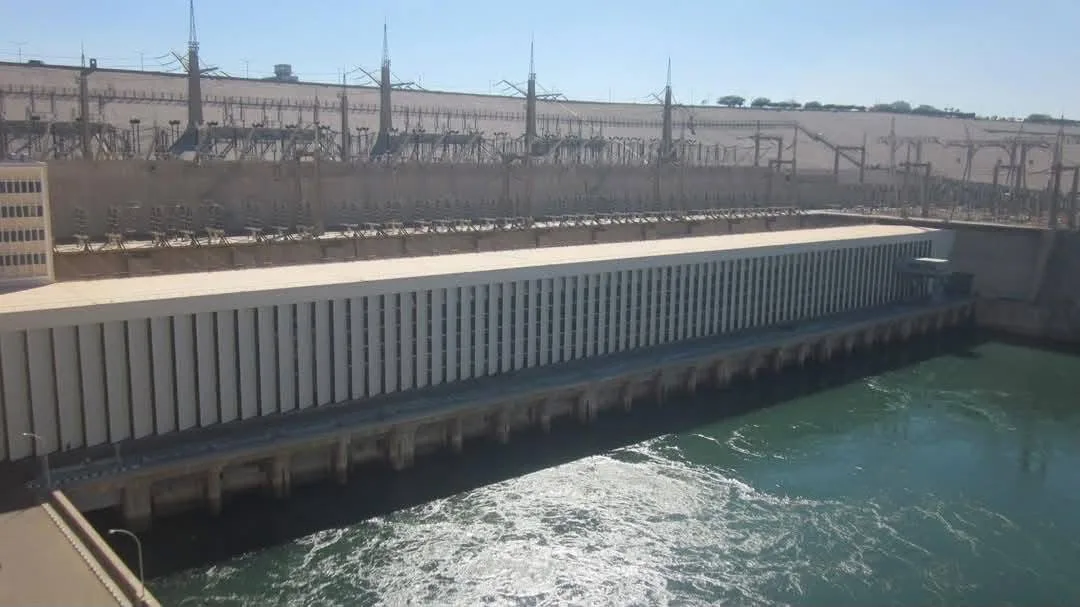
Aswan is Egypt's southernmost city, set where the Nile meets the First Cataract — a stretch of granite rapids and boulder-strewn islands that marked the ancient boundary between Egypt and Nubia. For four thousand years it was Egypt's frontier garrison and its quarry: the distinctive pink Aswan granite used in obelisks, colossi and temple columns across the country was cut from these cliffs, and the Unfinished Obelisk still lies in the bedrock of the ancient quarry, abandoned mid-cut when a crack appeared. At 42 metres and an estimated 1,168 tonnes, it would have been the largest obelisk ever raised. The island temples of Philae, dedicated to the goddess Isis, were the last outpost of active pharaonic worship, still drawing pilgrims as late as the sixth century CE. When the Aswan High Dam created Lake Nasser in the 1960s and 70s, the Philae complex faced permanent submersion; in one of UNESCO's most ambitious rescue operations, the temples were dismantled stone by stone between 1972 and 1980 and rebuilt on the higher ground of Agilkia Island, where they stand today. The dam itself, completed in 1970, ended the Nile's annual flood cycle and generates electricity for the whole of Egypt. Beyond its monuments, Aswan is the heartland of living Nubian culture: the painted villages, music and extraordinary hospitality of the Nubian people give the city a warmth and colour that distinguishes it from anywhere else in Egypt.
Historical importance. Ancient Egypt's southern frontier and the source of the granite used in its greatest monuments for over three millennia. Aswan's quarries supplied the obelisks of Karnak, the colossi of Ramesses II and the column capitals of temples across the Nile valley.
Cultural importance. The living heartland of Nubian culture — an ancient people of the Nile corridor between Egypt and Sudan with a distinct language, music, weaving tradition and painted architectural style, who were displaced by Lake Nasser but have maintained their cultural identity in the communities around Aswan.
Why visit
- The Nile at its most beautiful — granite cataracts, island temples and painted Nubian villages on the west bank
- The Temple of Philae — dismantled stone by stone and rebuilt on a new island to save it from Lake Nasser
- The departure point for Abu Simbel visits and Nile cruises to Luxor
- Living Nubian culture — the music, food and hospitality of one of Africa's most distinctive river communities
Highlights
- The island Temple of Philae — rescued from Lake Nasser and rebuilt on Agilkia Island by UNESCO
- The Aswan High Dam and Lake Nasser — the engineering transformation that reshaped modern Egypt
- The Unfinished Obelisk in the ancient granite quarry — the largest obelisk ever attempted
- Nubian villages on the west bank and Elephantine Island
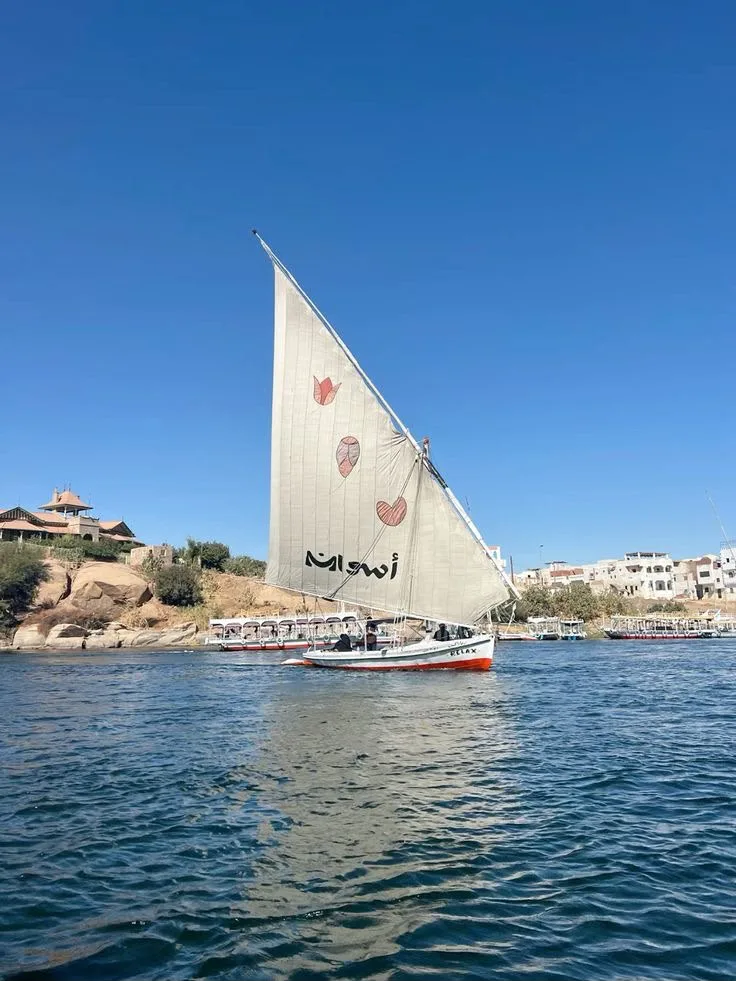
- Felucca sailing among the First Cataract's granite islands at sunset
Things to know
- Abu Simbel is a half-day trip south by early-morning road convoy (3.5 hours each way, departing around 4 am) or a short EgyptAir flight (45 minutes, limited schedule).
- Philae, Elephantine Island and Kitchener's Botanical Garden are all reached by short motorboat transfer from the Aswan corniche.
- Aswan is the standard embarkation or disembarkation point for Nile cruises between Aswan and Luxor.
- Temperatures in Aswan are the highest in Egypt; October to February is the most comfortable window for outdoor sightseeing.
- Nubian village visits and Elephantine Island are most rewarding with a local guide who can provide cultural context.
Photography
- Feluccas under full sail at sunset against the Aswan granite islands
- Painted Nubian houses in yellow and blue above the west bank
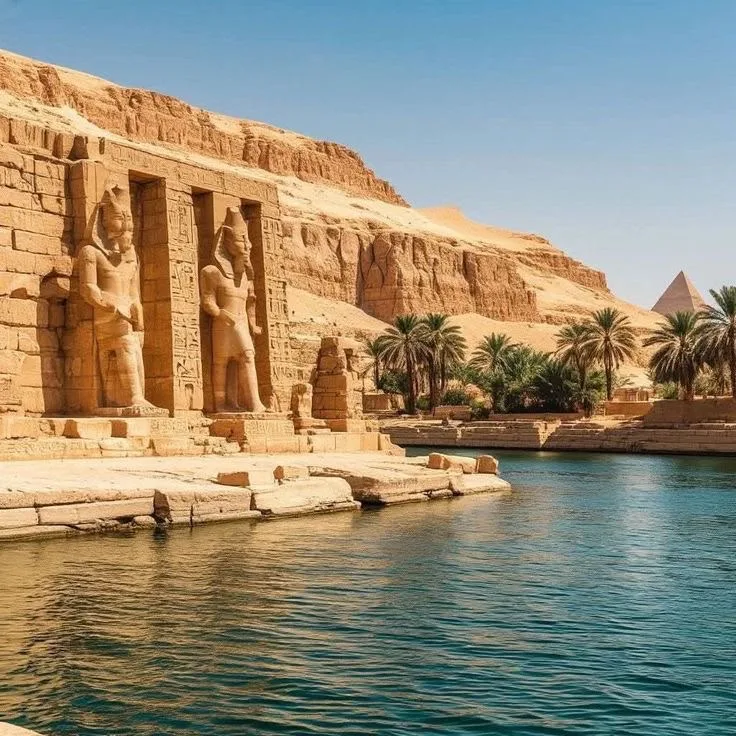
- Philae Temple rising from the water as the motorboat approaches
Season overview
Travel essentials
Good to know
How do I get to Abu Simbel from Aswan?
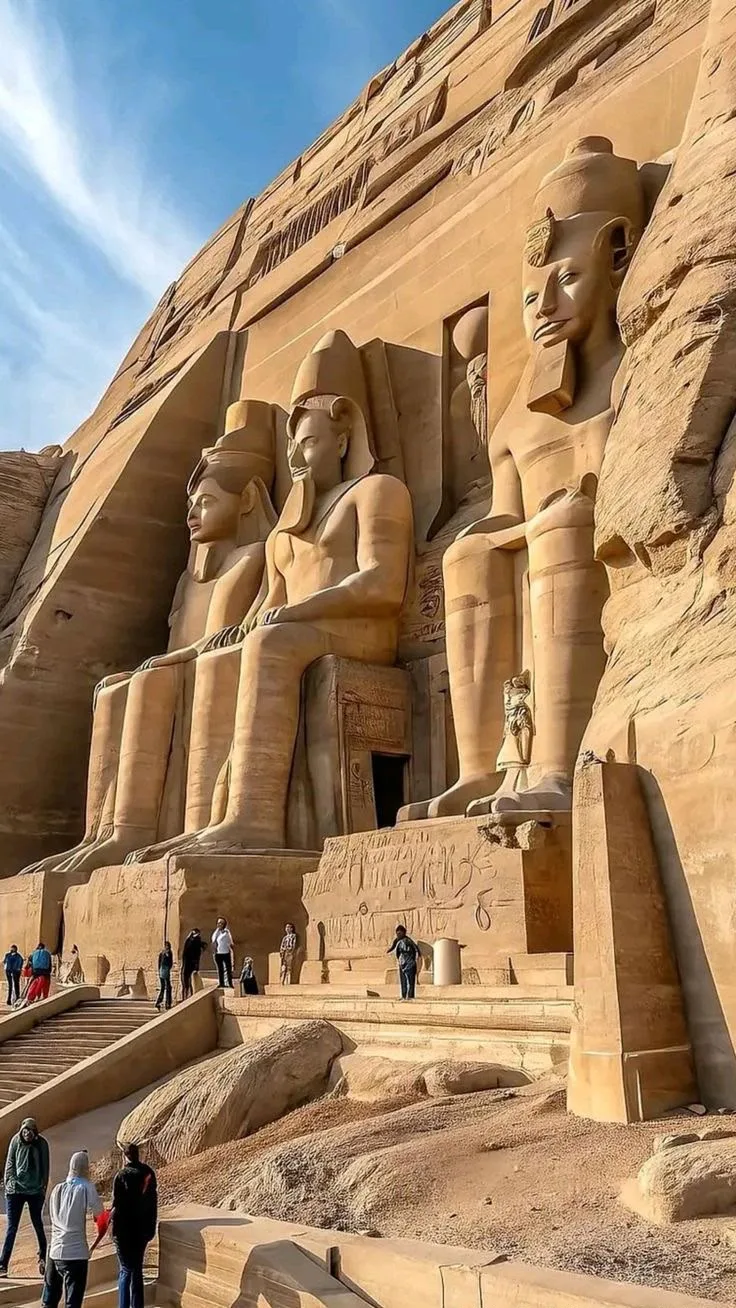
By road: a 3.5-hour drive each way through open desert, departing at 3–4 am to join the organised convoy that operates for security reasons. By air: EgyptAir operates a limited number of flights (approximately 45 minutes) from Aswan Airport — advance booking is essential and seats sell out quickly. Most visitors make Abu Simbel a day trip from Aswan. Those who stay overnight at Abu Simbel can attend the early-morning Sun Festival illumination, when the rising sun penetrates the inner sanctuary and illuminates the four seated statues — a remarkable and rarely seen event.
What is Nubian culture?
Nubians are the ancient people of the Nile valley corridor between southern Egypt and northern Sudan. They have a distinct language (the main dialects are Nobiin and Kenzi), a tradition of painted architecture using vivid colours, distinctive music and weaving, and a culture of extraordinary hospitality. Their historic homeland along the Nile between Aswan and Sudan was submerged by Lake Nasser when the Aswan High Dam was completed. Many Nubian families were relocated to villages around Aswan, where their cultural traditions survive and visitors can experience them through guided village visits.
Is Aswan worth visiting on its own, or mainly as a base for Abu Simbel?
Both. Aswan has substantial independent appeal: the Temple of Philae is one of Egypt's most beautiful island sanctuaries; the Unfinished Obelisk in its ancient quarry is one of the most viscerally instructive monuments in Egypt; and a felucca among the First Cataract's granite islands at sunset is among the most peaceful experiences in Egyptian travel. Most visitors spend two nights in Aswan — one for the city's own monuments and a Nubian village visit, one for the Abu Simbel excursion.
Does a Nile cruise depart from Aswan?
Yes. The classic Nile cruise between Aswan and Luxor runs approximately 200 kilometres northbound along the river, stopping at Kom Ombo and Edfu over three to four nights. Cruises depart in both directions — Aswan-northbound is the more common direction, as it allows a visit to the High Dam and Philae before embarking. Your tour operator confirms the direction and schedule based on your overall itinerary.
Aswan in photographs
Featured tours
Private journeys that visit Aswan.
Egypt Icons & Nile Cruise
Our most complete journey: Cairo, Alexandria, a sleeper train south, and a three-night Nile cruise from Aswan to Luxor — every layer of Egypt in one arc.
Cairo to Luxor & Aswan
A fast, flight-included loop through Luxor and Aswan — Karnak, the Valley of the Kings, Philae and the High Dam — out and back from Cairo.
Nile in Style: Aswan to Luxor
The essential Nile cruise, done properly — Philae and the High Dam, three nights afloat past Kom Ombo and Edfu, and Luxor's East and West Banks with your own Egyptologist.
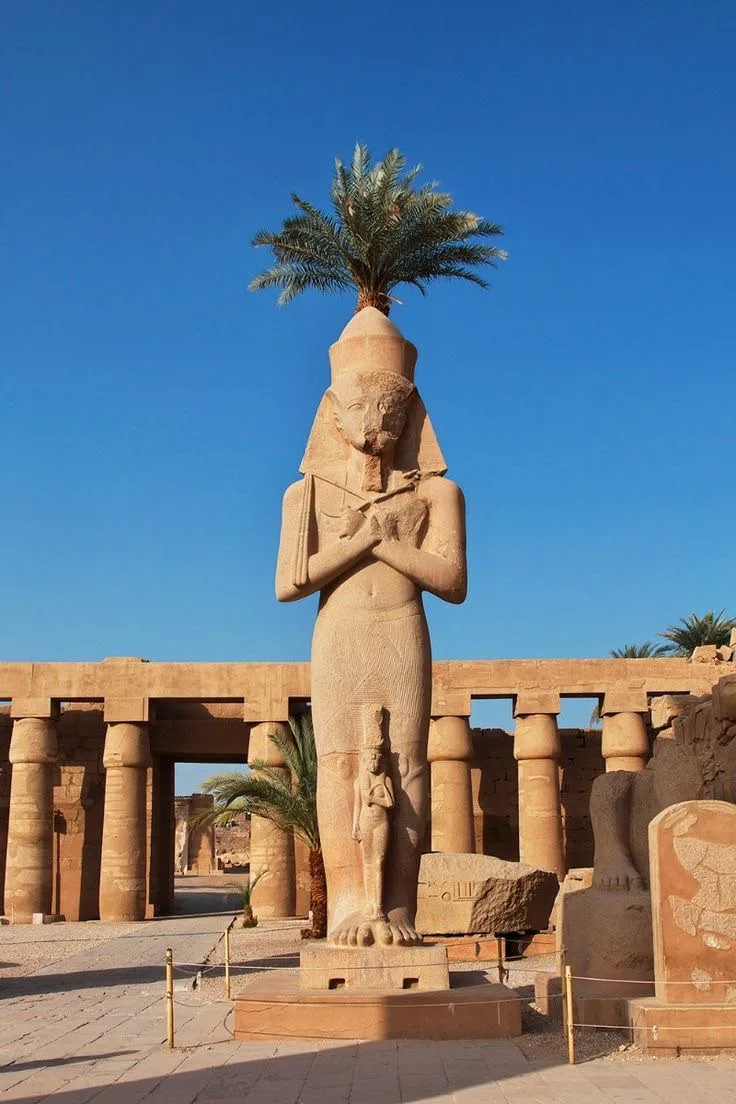
Temples of the South
The deep-history heart of Egypt by private road journey — Karnak, the Valley of the Kings, Edfu, Kom Ombo and Philae, with time to actually absorb them.
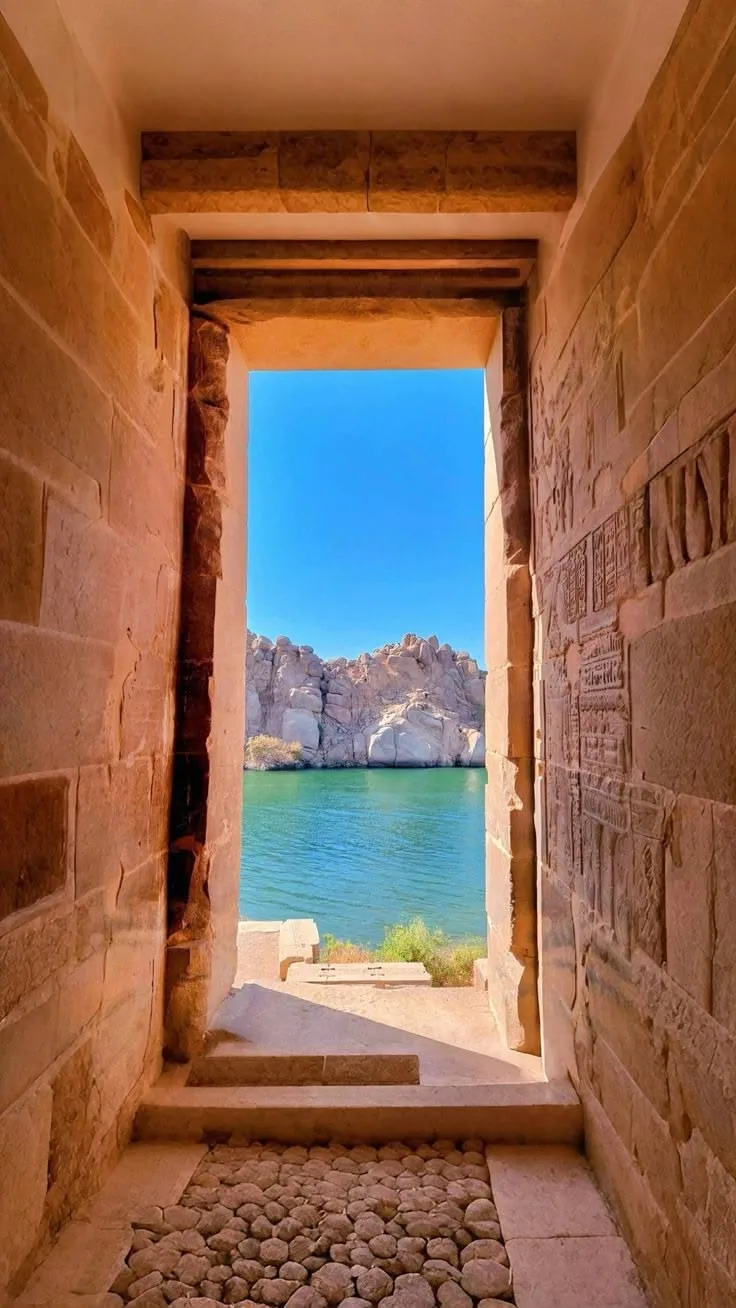
Honeymoon on the Nile
Egypt as a honeymoon should be — private sunrise at the pyramids, a felucca at golden hour, three nights on the Nile and suites chosen for the view.
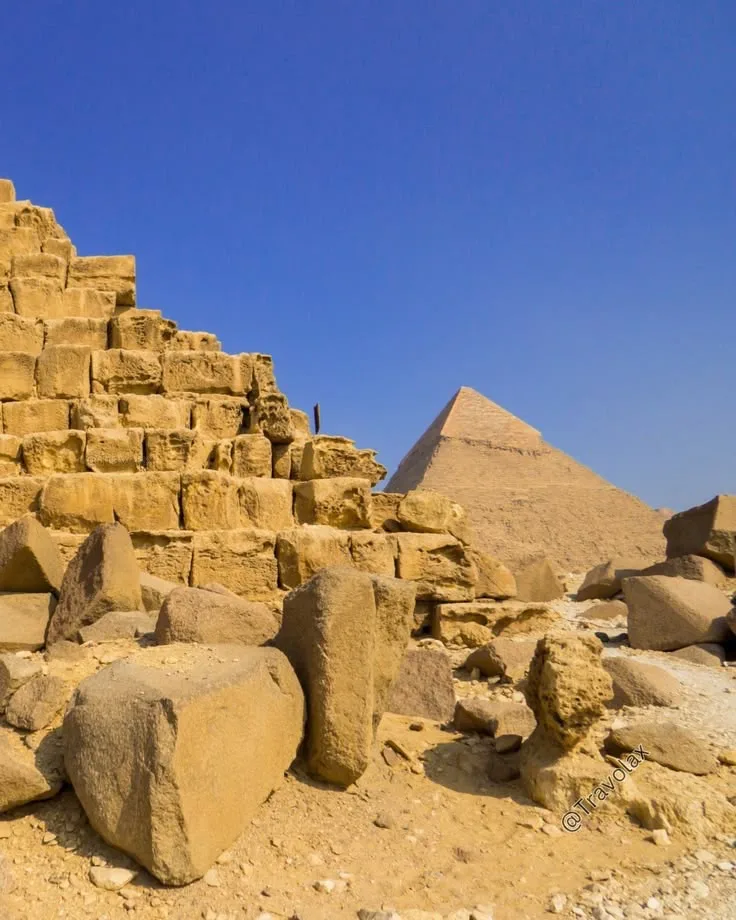
Family Egypt: Pyramids to the Nile
Egypt with children done right: short guided mornings, family-specialist Egyptologists, pool afternoons, and the moments no classroom can match.
Featured experiences
Activities and private experiences based in Aswan.
Private Felucca Sailing on the Nile
Charter an entire traditional felucca and drift down the Nile past ancient temples, granite boulders and palm-lined riverbanks — at the same unhurried pace Egyptians have sailed for millennia.
Nubian Village Experience
Cross the Nile to a painted Nubian village above Aswan — hibiscus tea in a family house, henna, spice talk and a culture older than the pharaohs' border.
Need help planning?
Tell us your travel dates, group size and what matters most to you. We design every itinerary from scratch — no templates.