Cairo
Egypt's capital on the Nile — medieval Islamic and Coptic quarters, the Egyptian Museum, and the gateway to Giza.
Overview
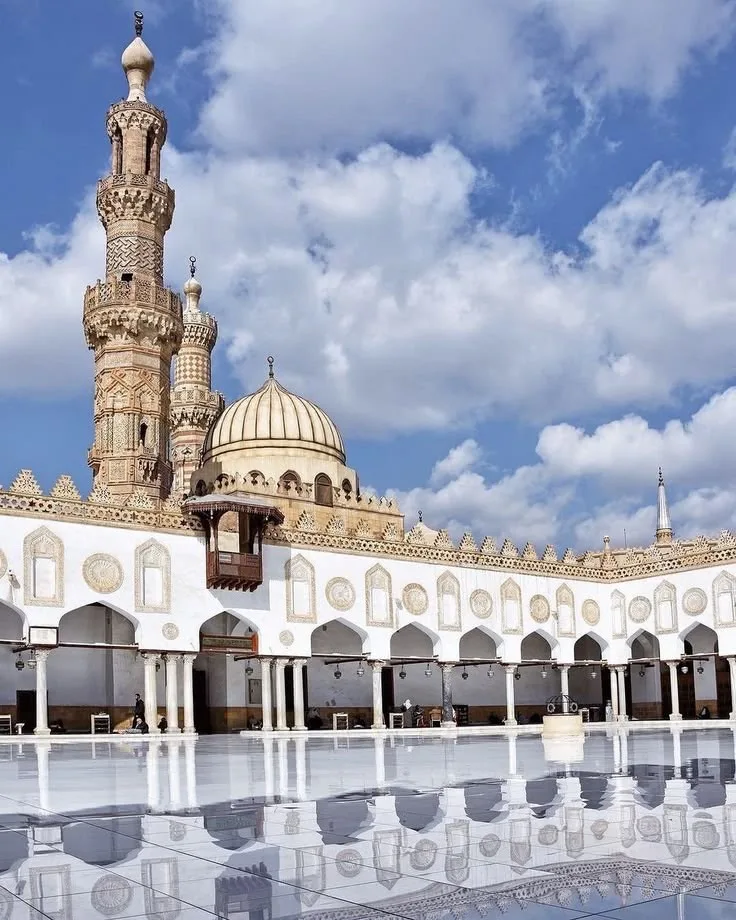
Cairo is the Arab world's largest city and one of the oldest continuously inhabited capitals on earth. The layers of settlement here span more than two thousand years: Roman Babylon, the fortress built to guard the Nile crossing, is still visible in the Coptic quarter, its towers incorporated into the Hanging Church — one of the oldest Christian places of worship in Africa. The Fatimid caliphate founded Cairo as a royal city in 969 CE and immediately established Al-Azhar mosque and university, now the oldest continuously operating university in the world. Over the following centuries, Islamic Cairo grew into one of the great medieval cities of the world: a dense fabric of mosques, madrasas and merchant palaces surrounding the fourteenth-century Khan el-Khalili bazaar, still trading today. Modern greater Cairo is home to some twenty million people. It holds the Egyptian Museum on Tahrir Square — the world's largest collection of pharaonic antiquities — and, on its western edge beside the Giza plateau, the Grand Egyptian Museum: the largest archaeological museum ever built, purpose-designed to display Tutankhamun's complete treasure alongside the great monuments it was found near.
Historical importance. Medieval capital of Islamic Egypt and, after 1261 CE, the seat of the Abbasid Caliphate in exile — making Cairo the symbolic centre of the Sunni Islamic world for two centuries. Home to Al-Azhar, founded 970 CE, the oldest university in continuous operation anywhere on earth.
Cultural importance. The cultural capital of the Arab world — centre of Arabic-language cinema, music, literature and satellite media. Home to the Coptic Patriarchate, one of the world's oldest Christian communities, alongside the heartland of contemporary Islamic scholarship.
Why visit
- Two world-class museums of ancient Egypt — the historic Egyptian Museum and the new Grand Egyptian Museum
- A thousand years of Islamic and Coptic architecture in the world's largest surviving medieval city
- The natural base for day trips to Giza, Saqqara, Memphis, Dahshur and Alexandria
- One of the great food cities of the Arab world — from koshari shops to Nile-side rooftop dining
Highlights
- The Egyptian Museum on Tahrir Square — the world's largest collection of pharaonic antiquities
- The Grand Egyptian Museum — the largest archaeological museum ever built, with the complete Tutankhamun treasure
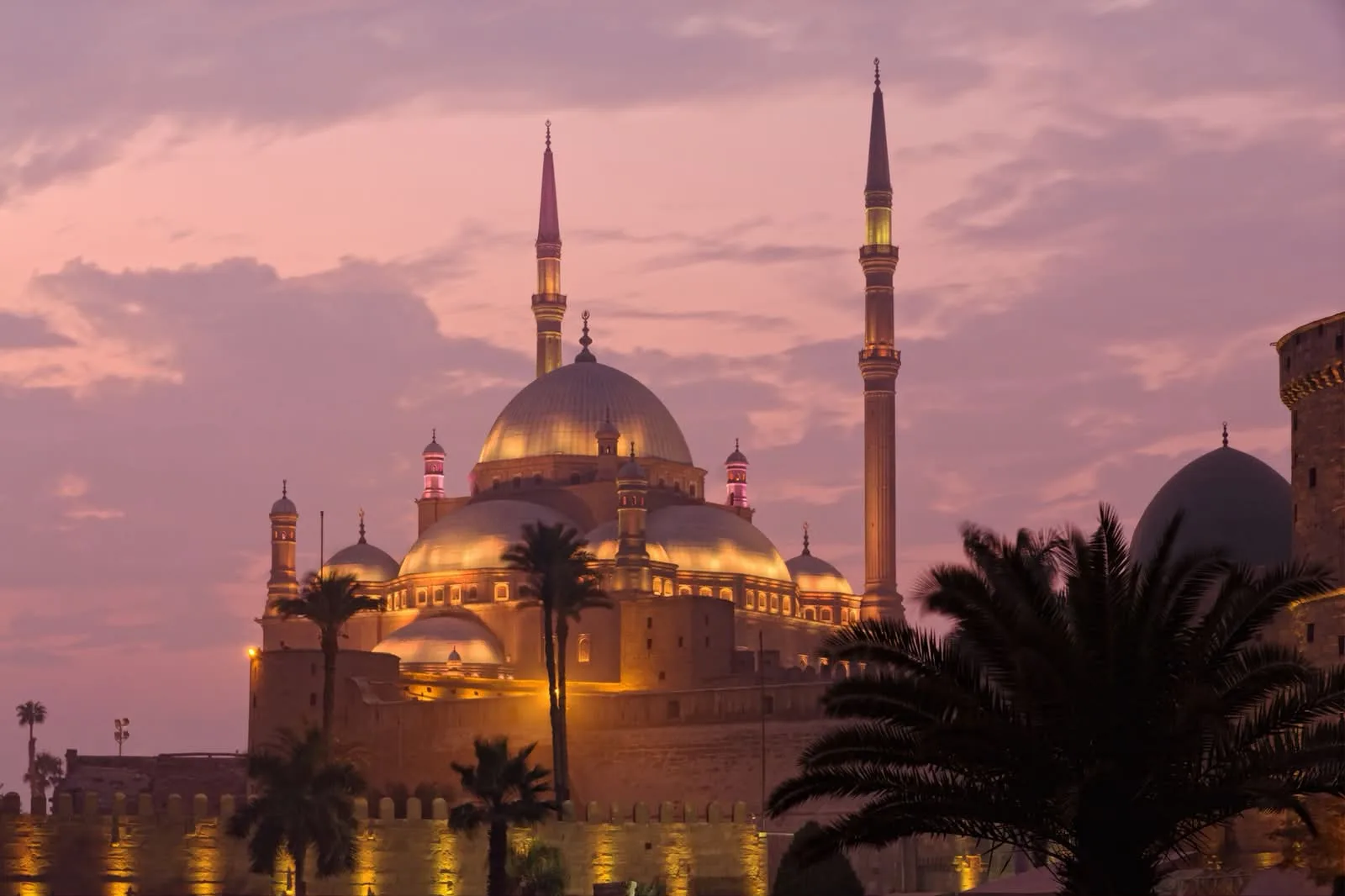
- Saladin Citadel and the alabaster Mosque of Muhammad Ali
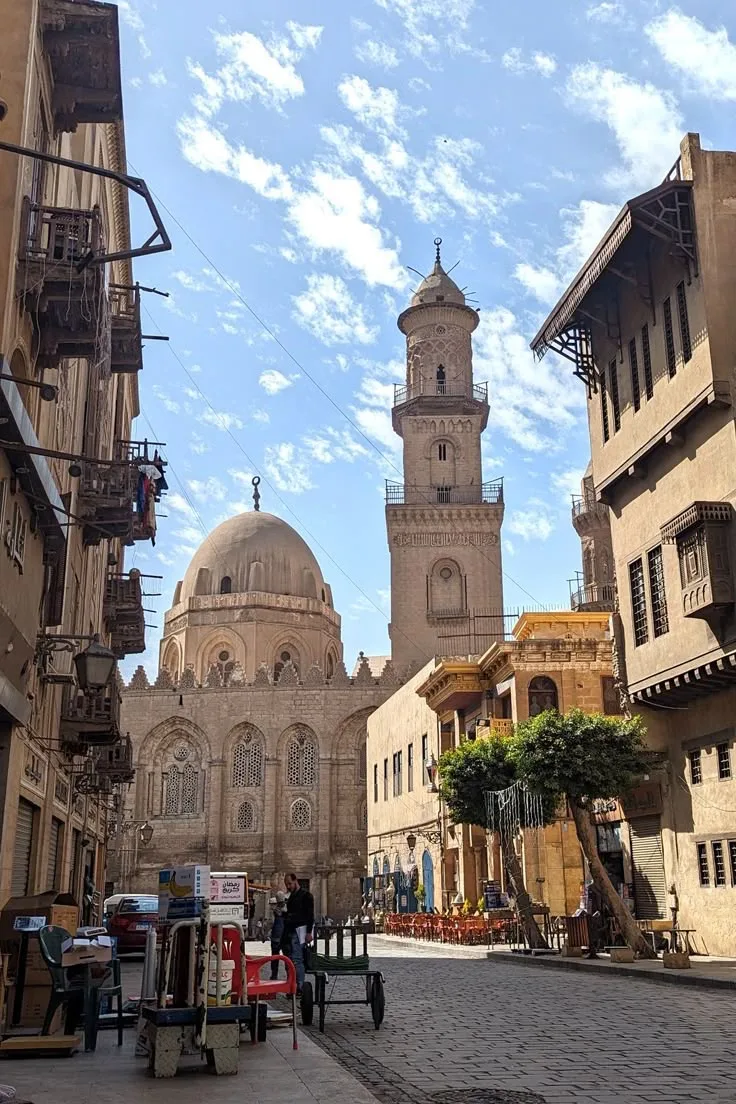
- Khan el-Khalili bazaar and the medieval lanes of Al-Muizz Street
- Coptic Cairo — the Hanging Church, Ben Ezra Synagogue and the Roman fortress of Babylon
Things to know
- Modest dress is required at mosques and churches — shoulders and knees covered; carry a scarf as a precaution.
- Friday is the main prayer day and some sites reduce their opening hours or close during late-morning prayers.
- Cairo's traffic is heavy at almost any hour — allow generous time between districts and book transfers in advance.
- Cairo runs later than northern European hours: restaurants fill after 8 pm, the bazaar is liveliest from mid-morning.
- The Egyptian Museum on Tahrir and the Grand Egyptian Museum near Giza are separate buildings 20 km apart, with different collections — both are worth a half-day each.
Photography
- The Citadel and its Ottoman domes against the Cairo skyline at dusk
- Lantern-lit alleys of Khan el-Khalili at night
- Minaret rooftops along Al-Muizz Street from above
Season overview
Travel essentials
Good to know
How many days do I need in Cairo?
Two to three days covers the essentials: one day at the Egyptian Museum or Grand Egyptian Museum, one day for Islamic Cairo and the Citadel, and one day for Giza and Saqqara. Three days is the more comfortable option and leaves room for the Coptic quarter and a food walk. Five days or more allows a day trip to Alexandria and a genuinely relaxed pace.
What is the difference between the Egyptian Museum and the Grand Egyptian Museum?
The Egyptian Museum on Tahrir Square is the century-old original — dense, atmospheric, and holding the bulk of Egypt's pharaonic collection across its packed galleries. The Grand Egyptian Museum (GEM), opened progressively from 2021, is the new purpose-built museum on the Giza plateau edge, with the complete Tutankhamun gallery as its centrepiece and a grand staircase of royal statuary. They are 20 kilometres apart. Both are worth visiting; the GEM is the better introduction, the old museum the deeper archive.
Is Cairo safe for tourists?
Yes. Cairo's main tourist areas — Tahrir Square, Islamic Cairo, the Coptic quarter and Giza — are well-policed and safe for international visitors. The practical nuisances are persistent touts at the Pyramids and, to a lesser degree, the bazaar. A private guide eliminates most friction. Standard urban precautions apply as in any major city.
How do I get between central Cairo and the Giza Pyramids?
The Giza plateau is approximately 25 kilometres from central Cairo — about 45 minutes by private vehicle or Uber. Cairo Metro Line 2 reaches Giza station, from which a taxi or Uber covers the final 5 km to the plateau in 10–15 minutes. On a guided tour, all transfers are arranged.
Cairo in photographs
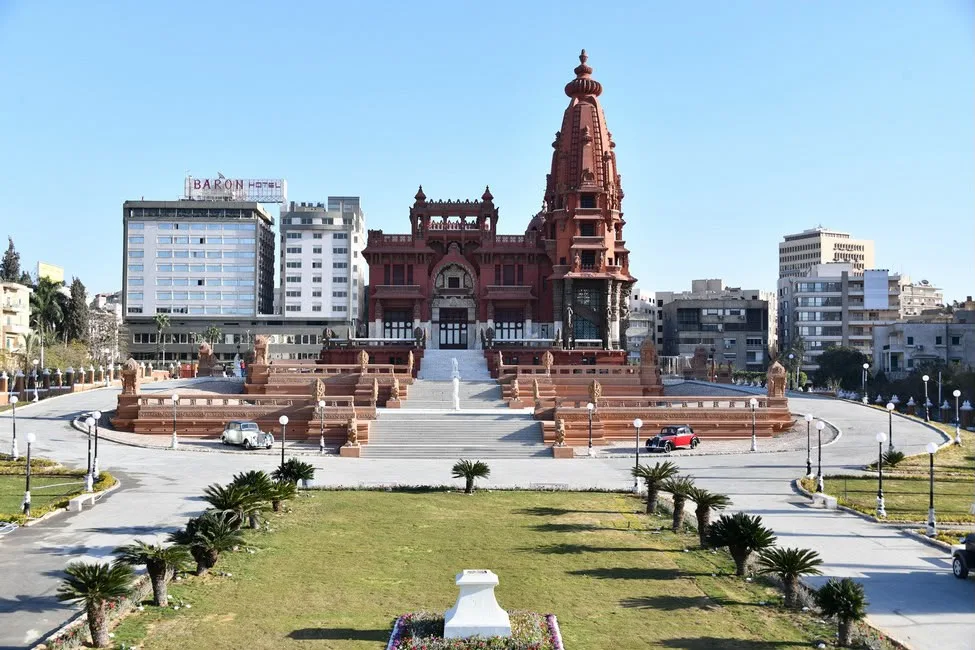
Featured tours
Private journeys that visit Cairo.
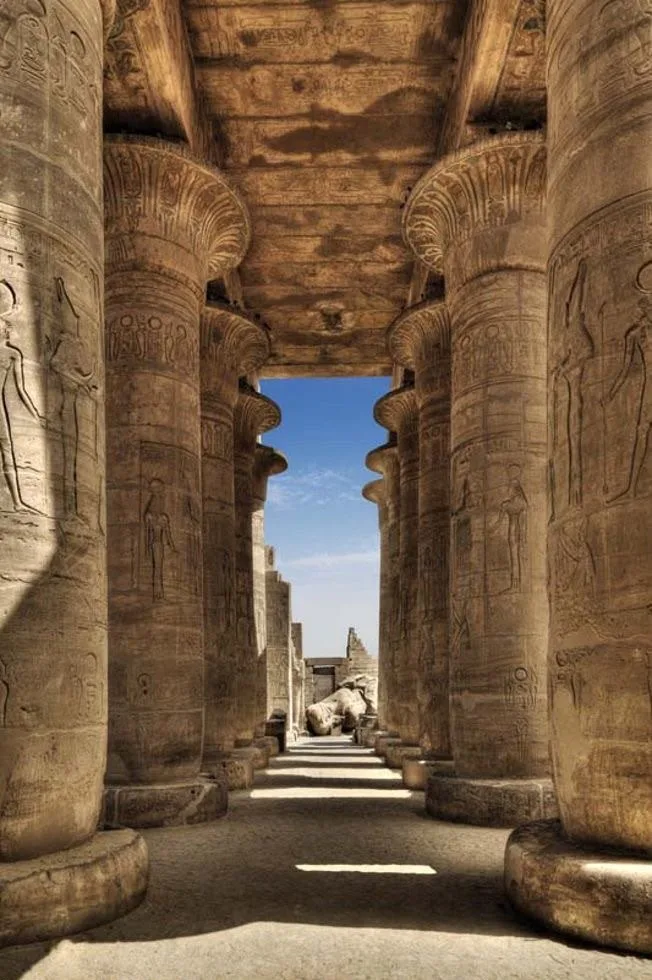
Egypt Icons & Nile Cruise
Our most complete journey: Cairo, Alexandria, a sleeper train south, and a three-night Nile cruise from Aswan to Luxor — every layer of Egypt in one arc.
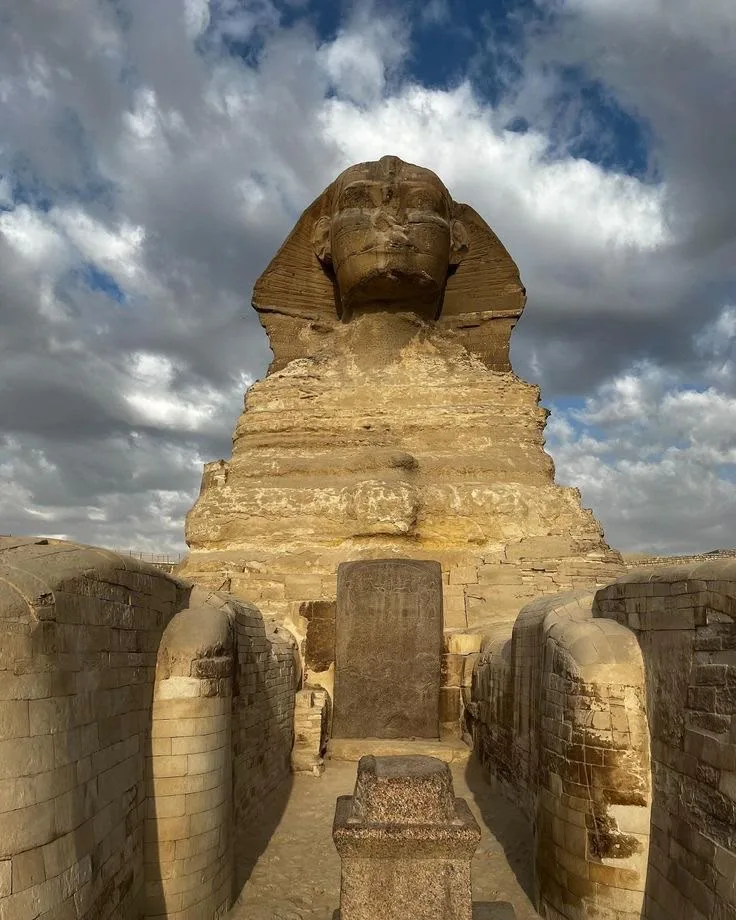
Egypt Highlights Deluxe
The headline acts of Egypt in seven days — the Egyptian Museum, Alexandria, the temples and tombs of Luxor, and the Pyramids of Giza.
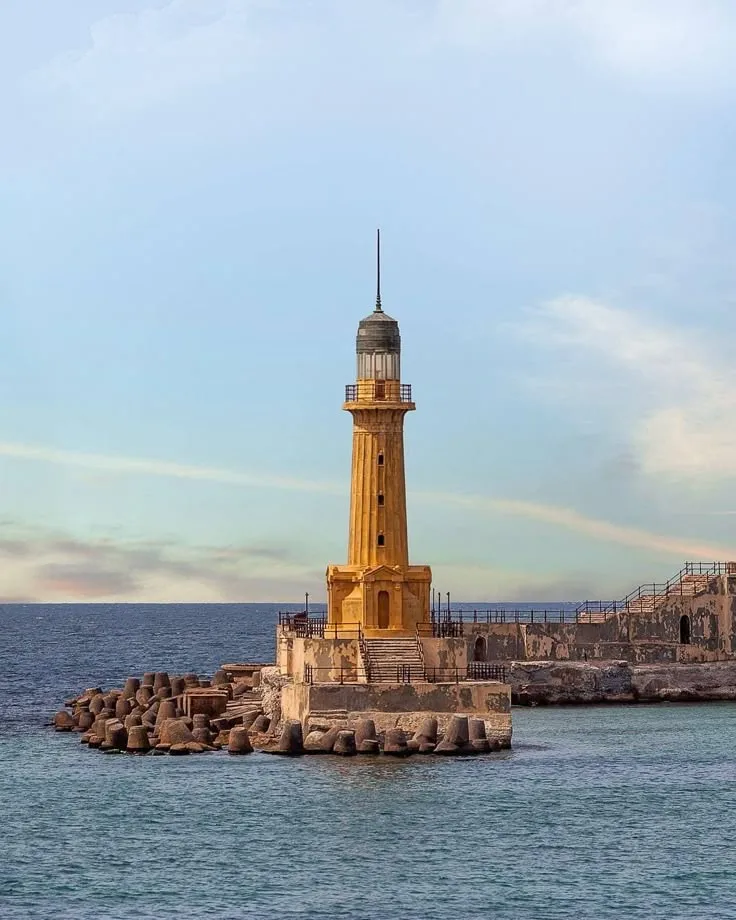
From Pyramids to the Sea
A compact northern journey — the Egyptian Museum, Alexandria's Greco-Roman layers, the Pyramids of Giza and medieval Cairo.
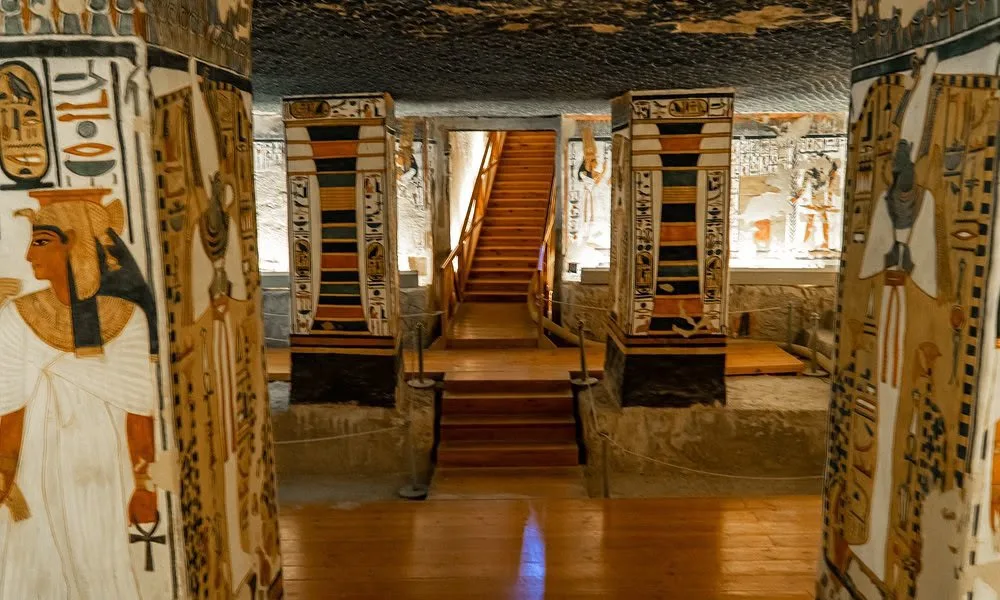
Cairo to Luxor & Aswan
A fast, flight-included loop through Luxor and Aswan — Karnak, the Valley of the Kings, Philae and the High Dam — out and back from Cairo.
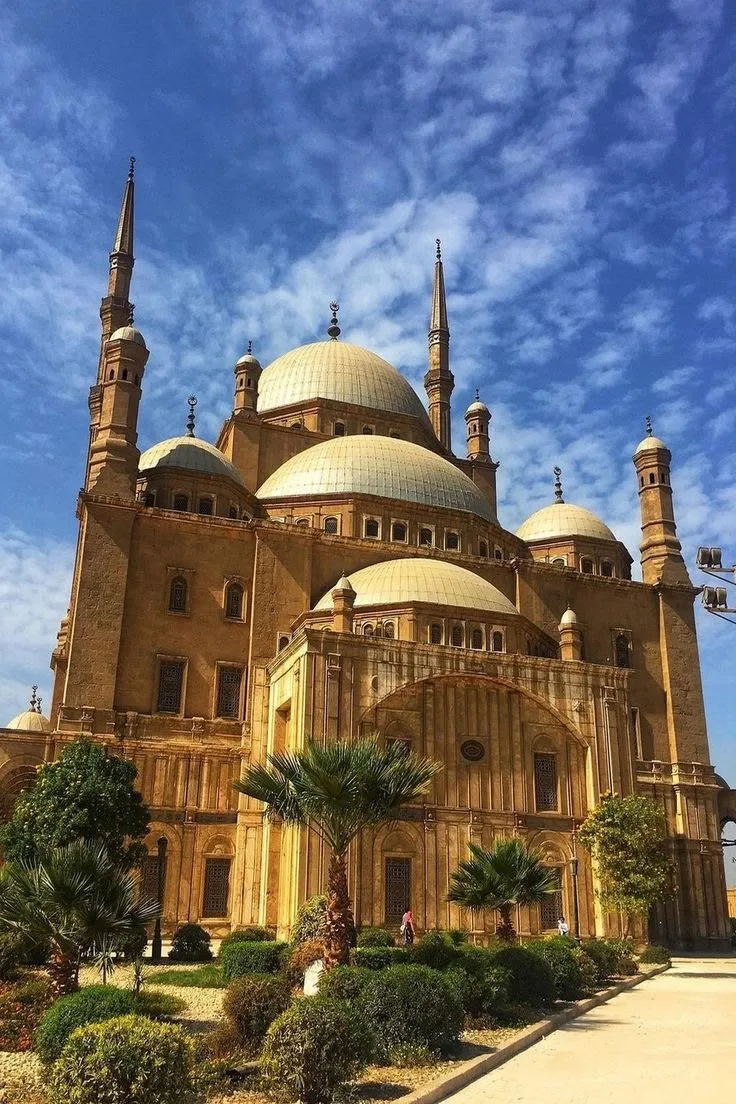
Religious Cairo & the Citadel
The Hanging Church, Ben Ezra Synagogue and Abu Serga in Old Cairo, then Saladin's Citadel and the alabaster Mosque of Muhammad Ali.
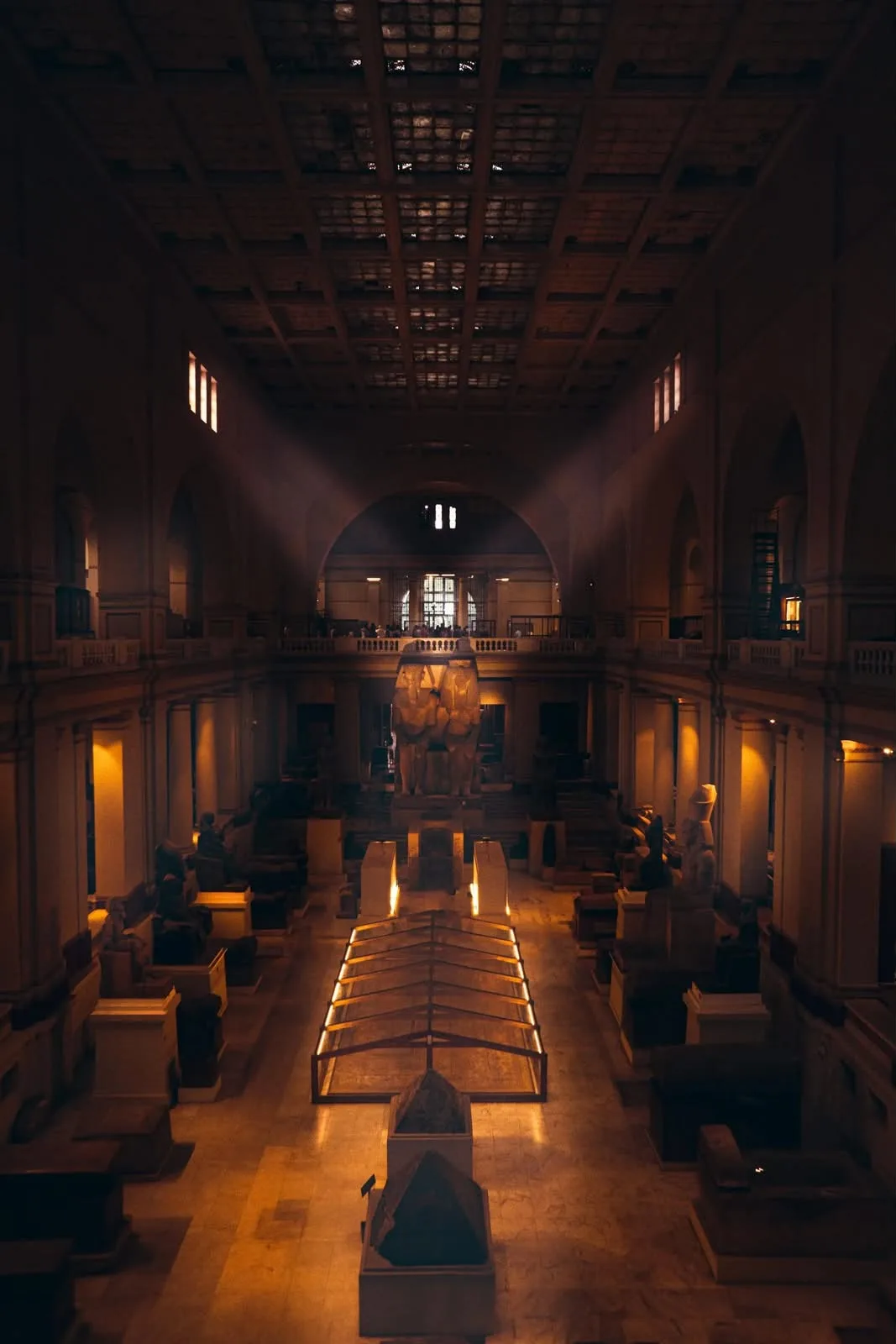
Cairo Museums
The treasures of the Egyptian Museum in Tahrir, then the National Museum of Egyptian Civilization and its Royal Mummies Hall.
Featured experiences
Activities and private experiences based in Cairo.
Old Cairo Walking Experience
Walk the medieval lanes of Islamic Cairo and the Coptic quarter with a historian guide who reads the city's 1,400-year layered fabric — from Roman fortifications to Ottoman merchant palaces.
Egyptian Cooking Experience
Learn to cook four dishes that trace Egypt's 7,000-year food history — from ancient grain preparations to Ottoman-era stuffed vegetables — in a private kitchen session led by a Cairo food specialist.
Private Nile Dinner Cruise
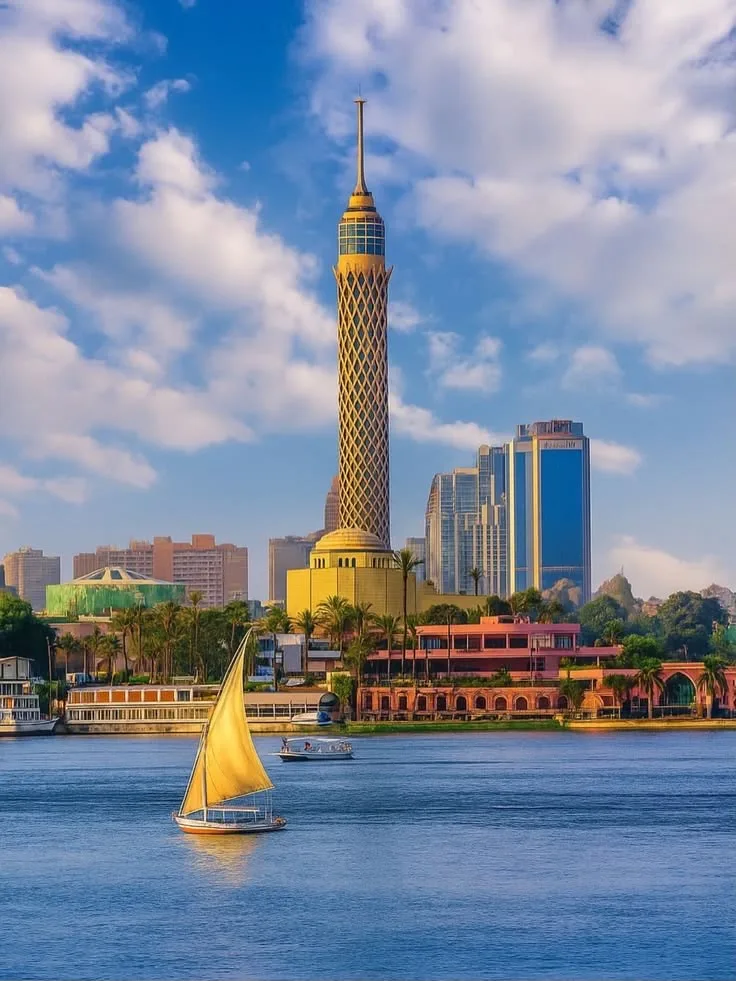
Dinner afloat on the Cairo Nile aboard a privately reserved vessel — the capital's skyline sliding past over a slow, well-cooked evening.
VIP Airport Meet & Assist
Met at the aircraft door, walked through fast-track immigration, luggage handled to the car — Cairo airport reduced to a corridor and a handshake.
Need help planning?
Tell us your travel dates, group size and what matters most to you. We design every itinerary from scratch — no templates.