Egypt in Winter
The perfect season — cool days, clear light and uncrowded monuments.
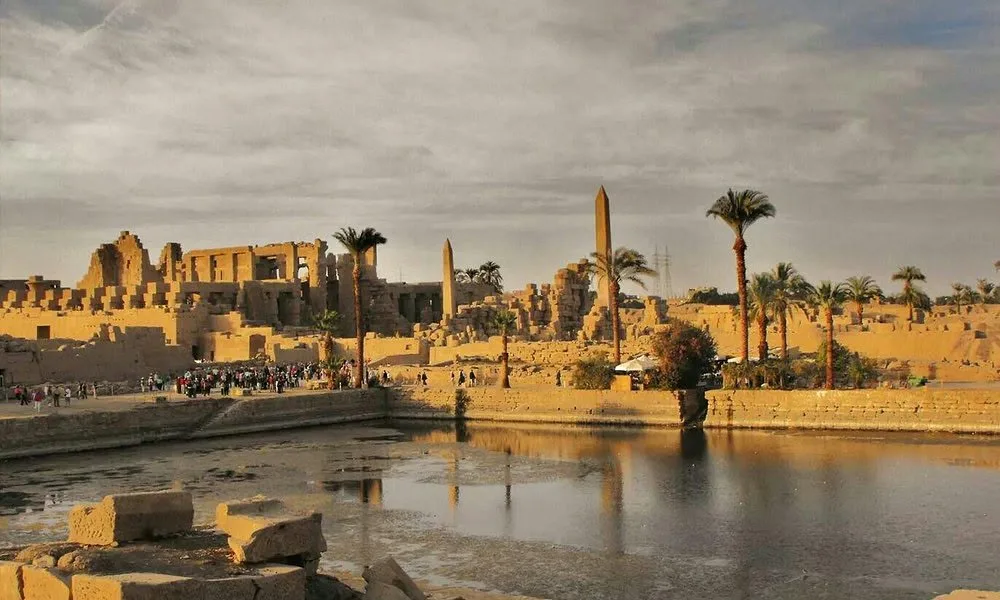
Overview
Winter transforms Egypt's ancient landscape. As temperatures drop to a comfortable 18–26 °C across the Nile Valley, the monuments breathe and the long-angle sunlight turns every stone golden. Cairo hums with its usual energy, but Luxor and Aswan settle into an unhurried rhythm ideal for deep, unhurried exploration. This is the season serious Egyptophiles plan around — and the season Kemet's private itineraries are built for.
Highlights
- Daytime temperatures of 18–26 °C across the Nile Valley — ideal for long monument visits
- Low-angle winter light creates extraordinary photography conditions at sunrise and sunset
- Peak season means all sites, tours, trains and Nile cruises are fully operational
- Karnak Sound & Light shows and outdoor evening experiences are fully comfortable
- Abu Simbel alignment event in February — the sun penetrates the inner sanctuary at dawn
Planning notes
- Book 3–6 months ahead for peak winter (December–February) — prime Nile cruise dates sell out
- High-speed train Cairo–Luxor runs in under three hours; overnight sleeper is an alternative
- Luxor's East and West Banks warrant two full days each — plan at least four nights in Luxor
- Aswan in winter is 5–8 °C cooler than Luxor, making it the most comfortable desert city
Travel tips
- Early morning monument visits (before 9 am) give you cooler temperatures and fewer crowds
- Sunset felucca on the Nile at Aswan is at its most beautiful in winter's golden-hour light
- Pack a light layer for evenings — Nile Valley nights can reach 10 °C in January
Frequently asked questions
Is winter the best time to visit Egypt?
For most visitors, yes. October to March brings the most comfortable temperatures for sightseeing across the Nile Valley — typically 18–26 °C by day, 8–14 °C at night. The light is excellent for photography. The trade-off is that December and January are peak season, so popular sites are busier and accommodation costs more.
Does it rain in Egypt in winter?
Rarely. The Nile Valley — Luxor, Aswan, Abu Simbel — receives almost no rainfall year-round. Cairo sees occasional light showers in December and January, and Alexandria's Mediterranean climate brings more frequent winter rain. For desert sightseeing, rain is essentially not a planning factor.
Featured tours
Private tours included in the Egypt in Winter collection.
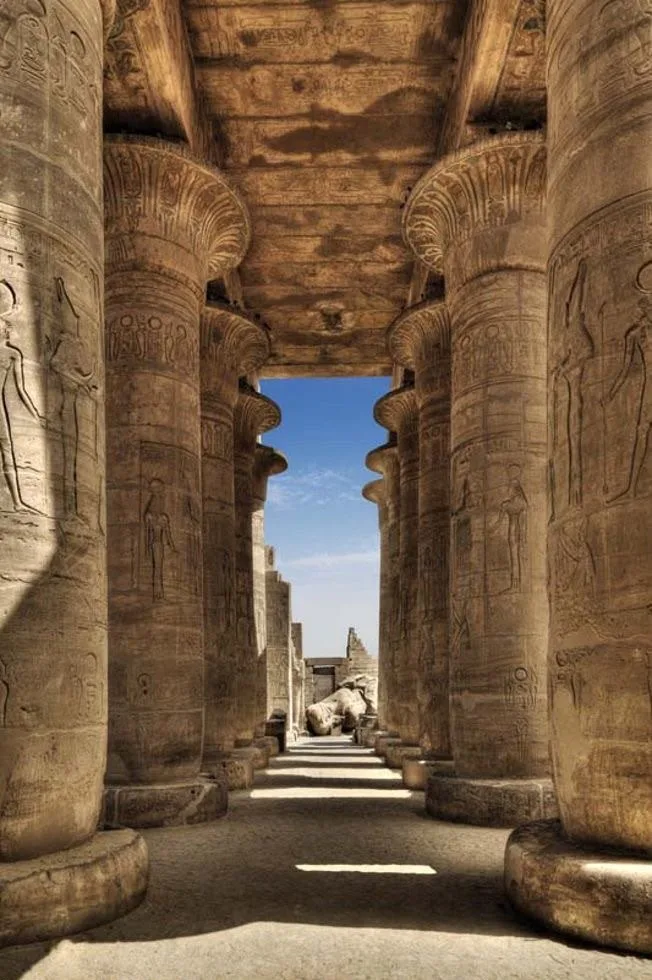
Egypt Icons & Nile Cruise
Our most complete journey: Cairo, Alexandria, a sleeper train south, and a three-night Nile cruise from Aswan to Luxor — every layer of Egypt in one arc.
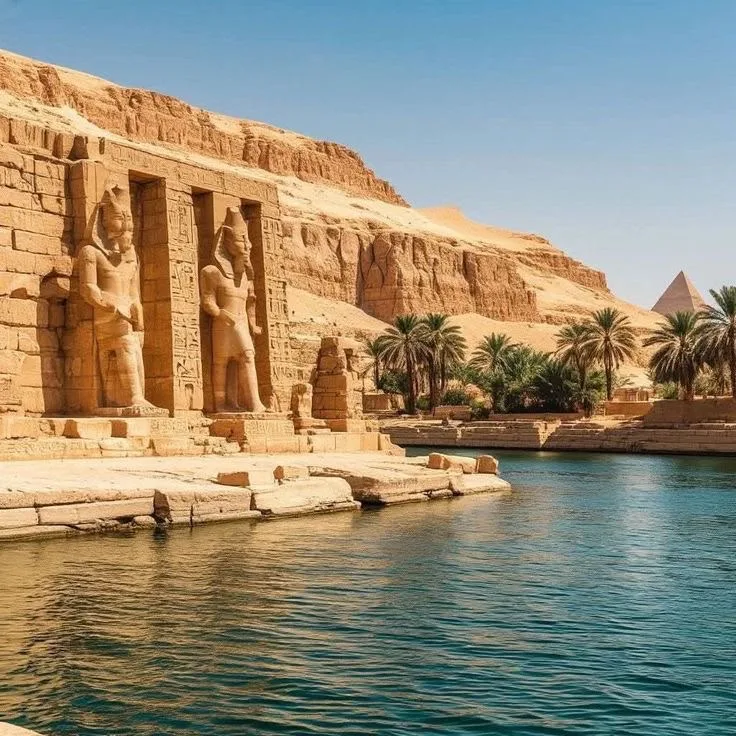
Nile in Style: Aswan to Luxor
The essential Nile cruise, done properly — Philae and the High Dam, three nights afloat past Kom Ombo and Edfu, and Luxor's East and West Banks with your own Egyptologist.
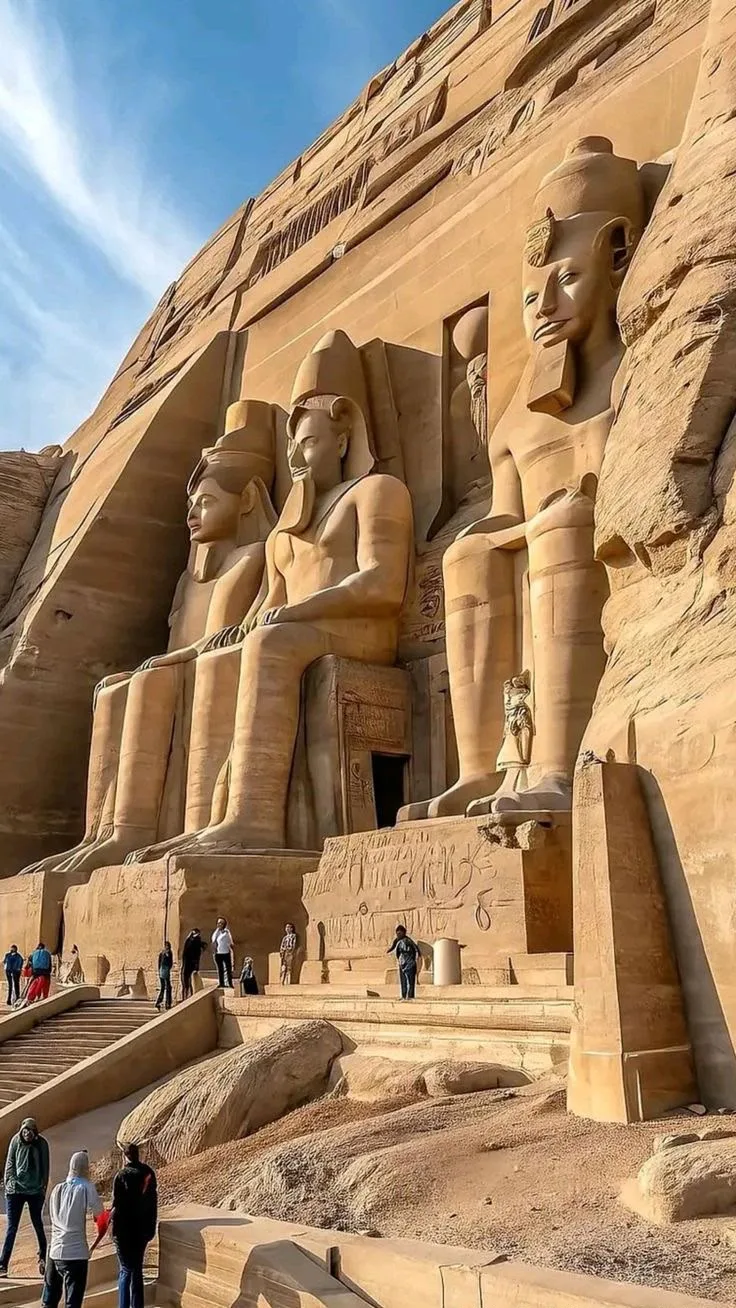
Abu Simbel Private Excursion
Ramesses II's colossal rock-cut temples — carved into a Nubian mountainside, moved block by block above the rising lake, and still aligned to the sun.
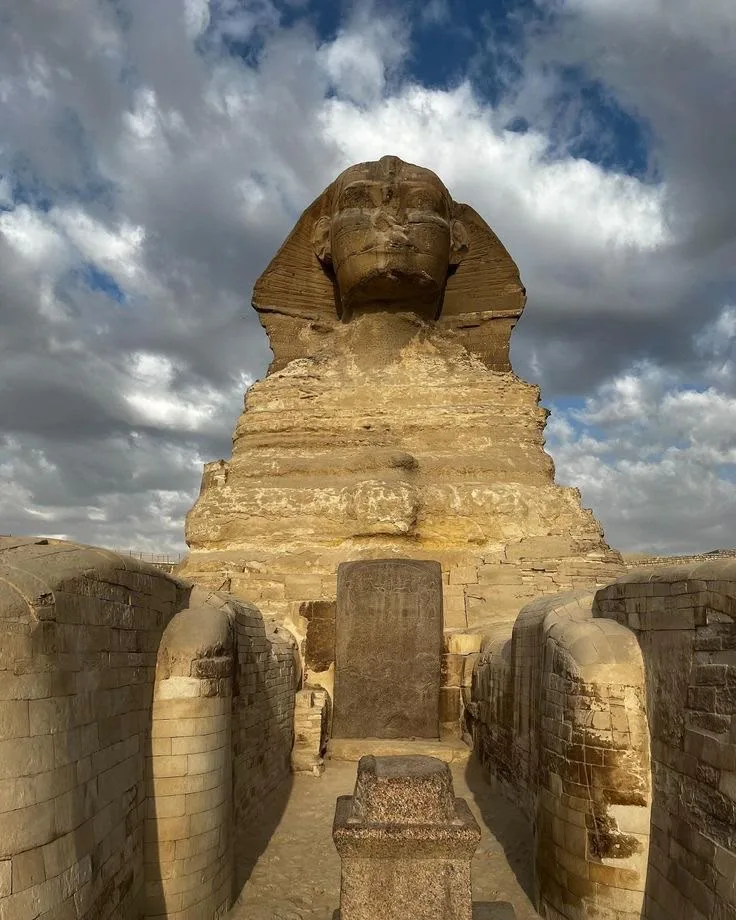
Egypt Highlights Deluxe
The headline acts of Egypt in seven days — the Egyptian Museum, Alexandria, the temples and tombs of Luxor, and the Pyramids of Giza.
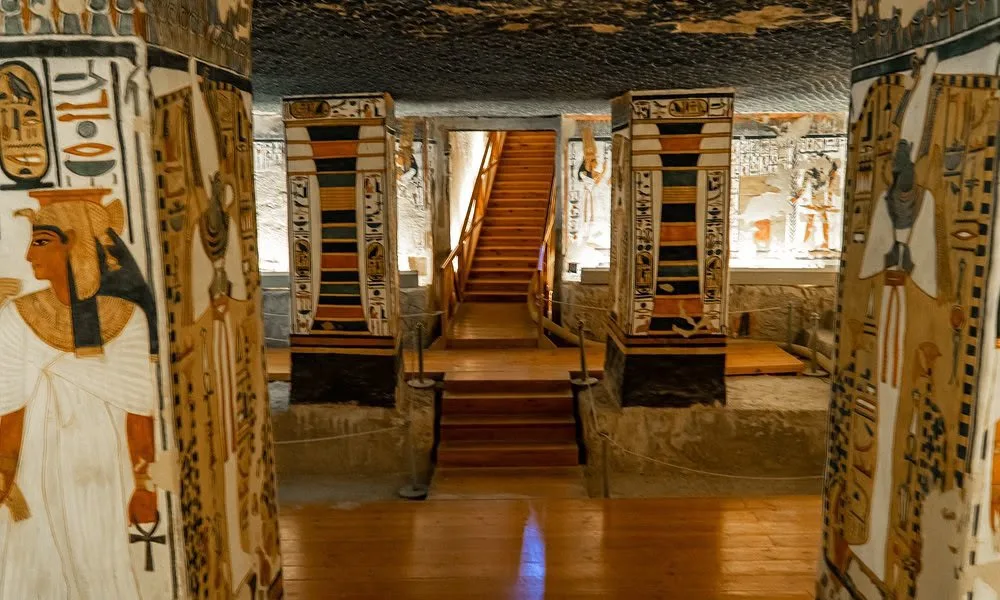
Cairo to Luxor & Aswan
A fast, flight-included loop through Luxor and Aswan — Karnak, the Valley of the Kings, Philae and the High Dam — out and back from Cairo.
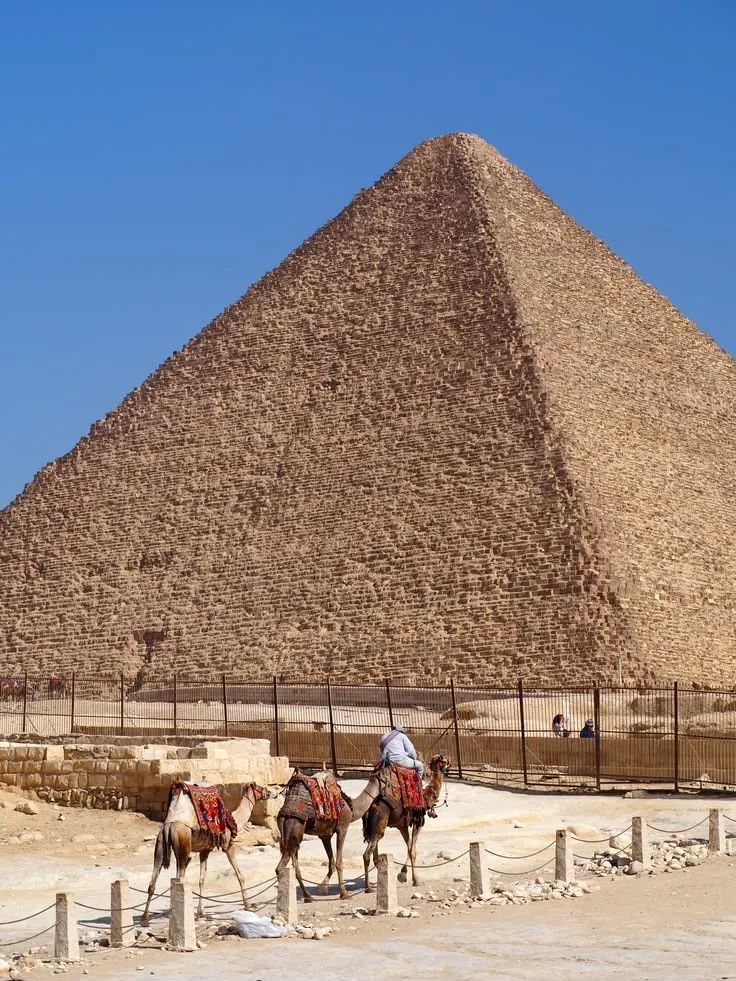
Giza & the Grand Museum
The Great Pyramid, the panorama of all three pyramids, the Valley Temple and Sphinx, then the vast new Grand Egyptian Museum beside them.
Featured destinations
Luxor
The open-air museum of ancient Thebes — Karnak, Luxor Temple and the royal tombs of the Valley of the Kings.
Explore →Aswan
Egypt's tranquil southern city on the Nile — Nubian culture, the High Dam and the island temple of Philae.
Explore →Cairo
Egypt's capital on the Nile — medieval Islamic and Coptic quarters, the Egyptian Museum, and the gateway to Giza.
Explore →Giza
Home of the Great Pyramid and the Sphinx, on the desert plateau across the Nile from Cairo.
Explore →Featured experiences
Sunrise at the Giza Pyramids
Watch the first light of dawn break over the Great Pyramid in an exclusive early-access session before the plateau opens to day visitors — led by a licensed Egyptologist.
Luxor Temple by Night
Walk the illuminated Avenue of Sphinxes into Luxor Temple after dark — one of the most dramatic experiences in Egyptian heritage tourism, now fully accessible following the 2021 restoration.
Private Felucca Sailing on the Nile
Charter an entire traditional felucca and drift down the Nile past ancient temples, granite boulders and palm-lined riverbanks — at the same unhurried pace Egyptians have sailed for millennia.
Hot-Air Balloon over Luxor
Drift over the Theban necropolis at dawn — the Valley of the Kings, Hatshepsut's temple and the Nile's green edge, seen the way only a balloon allows.
Planning resources
Guides to help you plan and prepare.
Best Time to Visit Egypt
Egypt's best travel season is October to April, when Nile Valley temperatures are mild and monuments are comfortable to explore. Here is what to expect season by season and destination by destination.
Egypt Travel Guide
Everything you need to plan a trip to Egypt — visa requirements, the best time to go, getting around, top destinations, culture and practical essentials.
Related collections
Luxury Egypt
Egypt's finest hotels, private Egyptologist guides, exclusive monument access and bespoke Nile experiences — curated for discerning travellers who want complete privacy and no compromises.
First-Time Visitors
Everything a first-time visitor needs: the right tours, the right destinations, essential planning guides, and the experiences that define Egypt.
Need help planning?
Tell us your travel dates, group size and what matters most to you. We design every itinerary from scratch — no templates.